Non-Destructive Testing (NDT)

Non-Destructive Testing (NDT) for Concrete Structures

Monitoring the in-service behavior of constructions is essential for maintaining the fundamental requirements of strength, stability, and durability. We utilize advanced investigation methods—non-destructive or partially destructive—to establish the physical and mechanical characteristics of materials without compromising the integrity of the structural elements.

Concrete Strength Assessment: Combined Methods

The accurate assessment of the “in-situ” compressive strength of concrete is vital for the technical expertise of existing structures.

Ultrasonic Method: This method is based on measuring the propagation time of ultrasonic pulses through the concrete. The propagation velocity is used to calculate the dynamic modulus of elasticity and to estimate the compressive strength.

Combined Method: For high precision, ultrasonic results can be correlated with data obtained through other methods (such as the Schmidt hammer/sclerometer) or through testing on control samples (cores or cubes).

Accuracy: The precision of determining concrete strength via indirect methods is estimated at approximately ±10…15% when the concrete composition is known and control specimens are available.

Crack Monitoring via Ultrasound

Identifying internal defects is a crucial step in diagnosing the durability of reinforced and prestressed concrete structures.

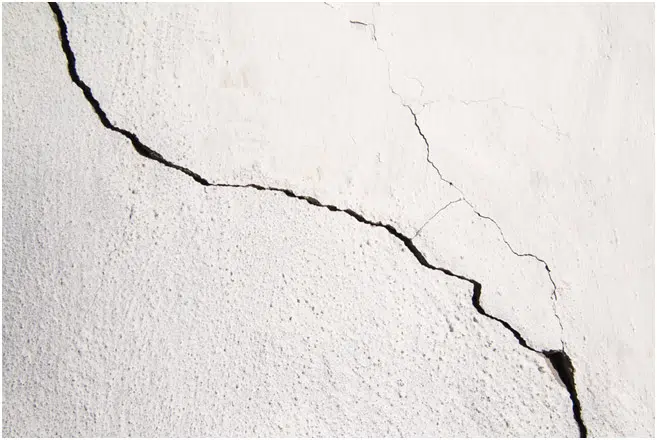
Defect Detection: The ultrasonic method (sonic logging) allows for the identification of casting defects, such as cold joints, internal cracks, voids, or foreign material inclusions.

Procedure: We measure the amplitude and propagation time of the received signal; significant drops in propagation velocity (below 0.85 of the average velocity) indicate the presence of local defect zones.

Applications: This method is frequently used for elements with inaccessible faces (drilled piles, barrettes, diaphragm walls), allowing for the monitoring of concrete quality variations throughout the entire height of the element.
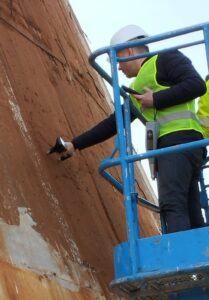
Carbonation Analysis and Durability

Concrete carbonation is one of the primary chemical processes that can lead to structural deterioration by reducing the alkaline protection of the reinforcement bars.

  • Purpose: Diagnosing areas affected by chemical or physical processes throughout the building’s service life.

  • Investigation: This is part of the extended inspection of existing structures and is necessary to formulate conclusions and recommendations regarding intervention solutions.

  • Prevention: Early identification of the carbonation depth allows for maintenance measures or minor repairs that significantly reduce subsequent retrofitting costs.

Covermeter Testing (Pachymetry)

Determining the position and condition of the reinforcement is essential for evaluating load-bearing capacity and operational safety.

  • Pachymetry (Covermeter): We use non-destructive equipment to determine:

    • Concrete Cover Thickness: Essential for the corrosion protection of the reinforcement.

    • Reinforcement Position and Diameter: Necessary data for verifying compliance with the technical execution design.

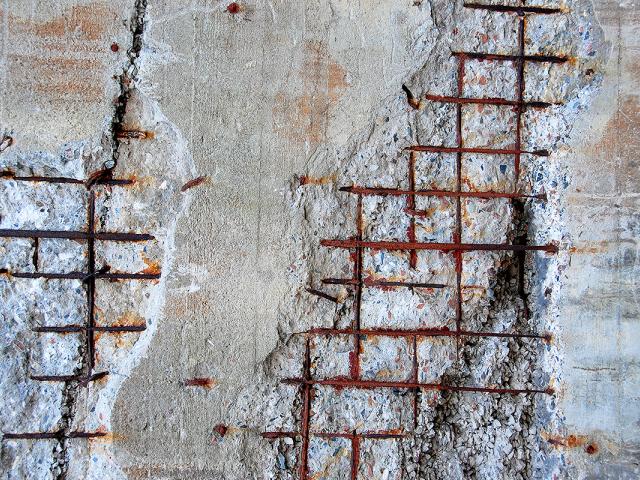
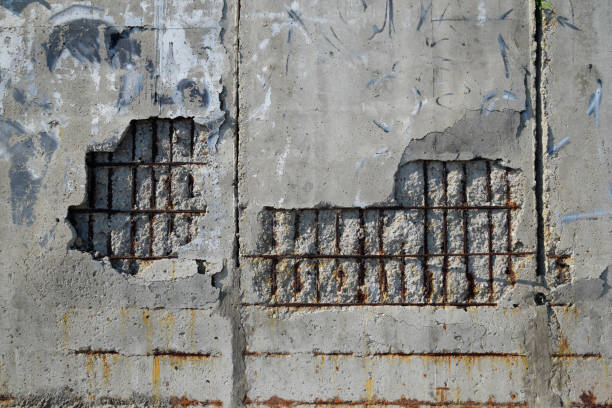
  • Corrosion Monitoring: The extended inspection aims to detect signs of corrosion in reinforced and prestressed concrete elements—phenomena that can jeopardize the structural safety of the building.

CONTACT US

Adress: Strada Profesor Anton Șesan 38, Iași, România

Phone: +40 747 483 228

Email: office@iovstructura.ro

© IOV Structura 2026. All rights reserved.